Showing posts with label 3-D Cell based Assays. Show all posts

Monday, February 10, 2020

Customer Data Wanted

Reward is a $25 Amazon Gift Card
We are always honored when you share your data with us! To learn more check out the video.

We make it easy to share. Just email your data to rose@neuromics.com. We will email you the gift card.


Thursday, June 27, 2019

FBS-Put it to Work

Priced Right

We provide, to our customers, the same Fetal Bovine Serum (FBS) we use in our defined media. This FBS enriched media is used in culturing all our human 2 and 3-D based Assays. Our FBS is of the highest quality and priced right at $379/500 ml.

Here're some recent publications referencing its use.

  • Gabriela Fernandes, Stephen T Vanyo, Shahad Bakheet Alsharif, Sebastiano Andreana, Michelle B Visser, Rosemary Dziak, Ph.D. Strontium Effects on Human Gingival Fibroblasts. https://doi.org/10.1563/aaid-joi-D-18-00253
  • Douglas Dickinson, Shannon Xayaraj, Sarah Dickinson, Xueling Shao, and Stephen Hsu.  Effect of Novel Formulations using Lipophilic Epigallocatechin3-Gallate against Influenza Virus Infection. Microbiol Infect Dis. 2018; 2(3): 1-8
  • Fei Cao, Li-Xue Yin. (2018). miR-122 enhances sensitivity of hepatocellular carcinoma to oxaliplatin via inhibiting MDR1 by targeting Wnt/β-catenin pathwayExperimental and Molecular Pathology. https://doi.org/10.1016/j.yexmp.2018.10.009
  • Amélie Robert, Peirun Tian, Stephen A. Adam, Mark Kittisopikul, Khuloud Jaqaman, Robert D. Goldman, and Vladimir I. Gelfand. Kinesin-dependent transport of keratin filaments: a unified mechanism for intermediate filament transport. 26 Jun 2018https://doi.org/10.1096/fj.201800604R
  • Mayuri Manoj Vaidya (2018). Verification of Apoptosis in MDA-MB-231 Triple Negative Breast Cancer Cells Post NBA Photodynamic Therapy Using DNA Fragmentation Assay and Cell Death Dyes. (Doctoral Dissertation). University of Texas San Antonio 


  • And a recent review

    We bought a large order of FBS from Neuromics. Our experience with their customer service was great. They offered us the best price and worked with us on any issue issues that came up on our side.Olesya Plazyo - Mar 12, 2019 - Rating: 5.0

    We offer 50 ml. samples for testing. If interested email rose@neuromics.com.

    Sunday, September 30, 2018

    Quality FBS-Only 259 USD/500 ml.

    First Come; First Serve
    We have an inventory of FBS of approximately 2000 bottles.  This inventory includes the lots we've been selling and using internally all year.  These have proven to be of the highest quality.
    Here’s a sampling of user feedback: 
    • After a referral from an ex-colleague, we tested a sample from a single batch and found that the product is great for cell cloning & hybridoma work, and generally for all other cell culture. We subsequently ordered several bottles of FBS. The sales person was very friendly and worked with me to make the purchase possible. The order arrived promptly. - Peter Dias, The Biomedical Research Institute of SC
    • We ordered several bottles of Fetal Bovine Serum on 2 occasions and are pleased with its performance in our cultures. The FBS arrived frozen in enough dry ice and was neatly and carefully packed. The FBS was very reasonably priced. Thank you. - Ken Patrene, University of Pittsburgh
    Referenced in Publications:
     FBS
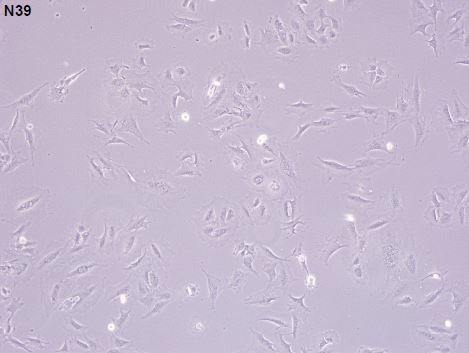
    N39 Cell Line Cells grown in Media supplemented with Neuromics' FBS, Courtesy of Deng Guo, University of Iowa.
    FBS
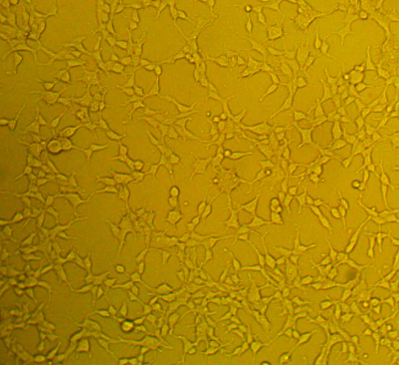
    HEK Cells cultured in Media Supplemented with Neuromics' FBS Courtesy of Kavita Shah, Purdue University

    The reason for this great offer is we need to clear inventory so that we can place a volume order of raw FBS stock yet this year and lock in 2019 pricing.  Our goal is to provide the best FBS at the lowest price.  This offer of $259/500ml is valid until the current stock is exhausted.
    Like a sample to try?  Contact rose@neuromics.com for a 50 ml sample.  Rose Ludescher-Manager of Customer Satisfaction-

    Monday, July 02, 2018

    Neuromics' Fetal Bovine Serum (FBS) Strikes Again

    Potent FBS at Pricing You'll Like
    Neuromics started providing FBS to researchers in early 2017. Our goal was to provide thorough tested and 9-CFR compliant FBS with the lowest pricing anywhere.

    In order to ensure our initial claims are trustworthy, we follow up with all our users and ask that they provide feedback. Here's the latest review-Ordered Fetal bovine serum. Best price and quality" - Juwen D, Albert Einstein College of Medicine. Product: Heat-inactivated FBS, cat no. FBS001-HI.

    We are now starting to see the use of our FBS reference in publications: Amélie Robert, Peirun Tian, Stephen A. Adam, Mark Kittisopikul, Khuloud Jaqaman, Robert D. Goldman, and Vladimir I. Gelfand. Kinesin-dependent transport of keratin filaments: a unified mechanism for intermediate filament transport. 26 Jun 2018https://doi.org/10.1096/fj.201800604R.

    Images: Keratin filaments are associated with microtubules. A) 3D-SIM imaging of keratin and tubulin immunostaining of RPE cells. The enlargements show the alignment of keratin filaments with microtubules. Scale bar, 5 mm. B) Confocal imaging of keratin and tubulin immunostaining. In control cells, keratin filaments extend to the cell periphery, and the filaments retract into the perinuclear region after 3-h treatment with 10 mM nocodazole to depolymerize microtubules. Scale bar, 10 mm.

    Give our serum a try today! Neuromics US-Origin Fetal Bovine Serum is only 349USD/500ml. Heat-inactivated FBS only 364USD/500ml. Need a large quantity? Bulk discounts are available. Like a sample to try? Contact rose@neuromics.com for a 50 ml sample.

    Wednesday, May 30, 2018

    New 3-D Eye Model

    More in-vivo like Model
    We see our world in 3-D. Diseases of the eye compromise this ability.

    Neuromics' is pleased to announce that we have a 3-D model aimed at accelerating drug discovery for these diseases. Sight is a terrible thing to lose and the faster new drugs can be discovered, fewer people will have to suffer the loss of sight.


    Our 3D Human Retinal Microvascular Angiogenesis model is constructed using GFP‐Tagged human Retinal Microvascular Endothelial cells. They are co-cultured with RFP-Tagged human supporting cells. GFP positive human retinal capillary-like tubule formation can be monitored in real time under fluorescence microscope throughout the whole process of the experiment.

    Thursday, May 10, 2018

    Researchers Love our FBS

    Potent Serum at a Great Price!
    We are pleased by the 5-star ratings on our Fetal Bovine Serum (FBS). Check them out.
    • Outstanding service. Fetal bovine serum was of highest quality, easy to order and packaging and shipping were best possible.Rosemary Dziak - May 08, 2018 - Rating: 5.0
    • This is first time to buy FBS from them. Rose is very nice person. they make you easy and comfortable to purchase.jie wei - Feb 16, 2018 - Rating: 5.0
    • I enjoyed working with the people at Neuromics. The sale person was very friend and willing to take extra time to solve our problems. Product Name: FBS - (Cat#FBS001) https://www.neuromics.com/FBS001 Organization: MayoWenqian Hu - Oct 15, 2017 - Rating: 5.0
    All Testimonials
    FBS-500 ml-only 349 USD


    Our FBS is 9CFR-tested, meeting FDA and USDA requirements. Fetal bovine serum products can also be tested to meet EMEA requirements. Note: We test each lot of FBS on our primary human cell cultures enabling us to choose lots yielding the best results...
    Testimonial: "We have used the FBS from Neuromics in feeding media for primary mouse astrocytes as well as for some cell lines. Your product is good and we plan to continue using it.” - Svetlana Vidensky, MS, Senior Research Specialist in Dr. Jeffrey Rothstein lab, Department of Neurology, Johns Hopkins University Contact Rose at rose@neuromics.com or 952-374-6161 for bulk pricing.

    Saturday, April 07, 2018

    National Eye Institute's 3-D ROC Challenge

    Are you Ready?
    Neuromics is a proud Sponsor of this challenge. It enables us to further leverage our potent, proven and published 3-D Cell-Based Assay Solutions into drug discovery for eye-related diseases.

    Our solution set includes 21-CFR Compliant human primary and stem cells and research ready custom and off the shelf 3-D Models. We also provide defined media and supplements.
    Neuromics 3-D Blood-Brain Barrier Model
    In addition to models, we offer: ECMS
    •Engineered hydrogels optimized for cell types
    •Coming soon: Bio-Inks for 3-D Printing-Engineered for Cells
    •Nanofibers

    Neuromics’ HUVECS in an engineered ECM
    For all participants we offer We offer a 10% discount on all cells, 3-D models, media and supplements Contacts: Pete Shuster, pshuster@neuromics.com, 612-801-1007; Rose Ludescher, rose@neuromics.com, 866-350-1500

    Thursday, March 01, 2018

    HUVECS in 3-D Action

    Form Vascular Networks in Microfluidics Model
    In this study, the authors developed a 3D functional human microvascular network in a microfluidic device. The established model enables Neuromics GFP-labeled human umbilical vein endothelial cells to form vessel-like microtissues and have physiological functions which are closer to cells in human blood vessels. The perfusable microvasculature allows the delivery of nutrients, and oxygen, as well as flow-induced mechanical stimuli into the luminal space of the endothelium. The microflow effectively mimic the blood flow in human vessels.

    This in-vivo like model is then used for toxicity assays-Yan Li, Qing-Meng Pi, Peng-Cheng Wang, Lie-Ju Liu, Zheng-Gang Han,Yang Shao, Ying Zhai, Zheng-Yu Zuo, Zhi-Yong Gong, Xu Yang and Yang Wu. Functional human 3D microvascular networks on a chip to study the procoagulant effects of ambient fine particulate matter. : RSC Adv., 2017, 7, 56108
    Images: Microvascular network formation based on microfluidic 3D HUVEC culture. (A) Schematic diagram of a microfluidic device. (B) Schematic diagram of microvascular network formation based on microfluidic 3D HUVEC culture. (C) Schematic diagram of loading microparticles in microvascular networks. (D) Microscope image of HUVECs seeding in fibrin hydrogel. (E) Confocal microscope image of fluorescent microvascular networks.
    Our human primary and stem cells are widely used and frequently published. We will continue to post relevant results from researchers using the cells here.

    Wednesday, February 07, 2018

    Culturing Cells in Defined 3-D Structures

    Media Supplements Matter

    There have been several publications referencing use of our growth factors in 3-D Cultures. It is important that potent growth factors are used to ensure proper cell growth and differentiation.

    Here's a new publication referencing use of our ISOKineTM FGF. Our ISOKine growth factors are produced in the endosperm tissue of barley grain (Hordeum vulgare), that exhibits up to 50 times less protease activity than E.coli or mammalian cells. Barley seed is void of any human or animal viral contaminants that could jeopardize your cell culture.

    Claas Willem Visser, Tom Kamperman, Lisanne P. Karbaat, Detlef Lohse and Marcel Karperien. In-air microfluidics enables rapid fabrication of emulsions, suspensions, and 3D modular (bio)materials. Science Advances 31 Jan 2018: Vol. 4, no. 1, eaao1175 DOI: 10.1126/sciadv.aao1175. In this study, the authors present in-air microfluidics (IAMF), a new chip-free platform technology that enables in-flight (that is, on-the-fly) formation of droplets, fibers, and particles and their one-step deposition into 3D constructs with a modular internal architecture.
    Figure: Concept of IAMF and guide to the article. (A) Chip-based microfluidics enables in-line control over droplets and particles, making it a versatile platform technology. A chip design where droplets (blue) are transported by a coflow (pink) is shown. (B) IAMF maintains the in-line control of chip-based microfluidics but relies on jet ejection and coalescence into air. Therefore, a wide range of droplets and particles can be produced at flow rates typically two orders of magnitude higher than with chip-based microfluidics. When combining reactive, solidifying microjets, IAMF also enables on-the-fly production and direct deposition of microparticles into 3D multiscale modular (bio)materials.

    Figure: One-step additive manufacturing and injection molding of 3D multiscale modular (bio)materials. (A) Modular free forms with a controlled microarchitecture were manufactured by stacking of shape-stable core-shell particles. (B to D) A hollow cylinder was formed by deposition of the composite jet onto a rotating substrate. By altering the building blocks’ composition, the resulting microarchitecture consisted of (C) a liquid-filled foam or (D) a multimaterial modular solid, where the cross-linker for the core was added to the shell and vice versa. (E) To eject a modular filler, only the droplets’ cores are solidified in the air, whereas the slower solidifying shells enable seamless filling of the mold. (F to H) A modular construct was produced by filling a bone-shaped mold. Inset: Hydrogel construct while still in the mold. The 3D multiscale modular material consisted of MSCs (pink), encapsulated in alginate microspheres (green) that are embedded in dextran-tyramine hydrogel (red). (I) Injection-molded multiscale modular tissue construct with optimized cellular micro- and macroenvironments. The construct consisted of insulin-producing pancreatic β cells (MIN6; beige with blue nuclei) that were encapsulated in alginate microparticles (green). The cell-laden microparticles were encapsulated within a proangiogenic fibrin network that contained human endothelial and stem cells (pink with blue nuclei). The microenvironments supported MIN6 cell proliferation, whereas the macroenvironment supported the formation of an endothelial cellular network within 7 days of in vitro culture. HUVEC, human umbilical cord endothelial cell. Scale bars, 1 cm (B and F), 5 mm (G), and 100 μm (C, D, H, and I).

    We live in a 3-D world and 3-D Cell and Tissue Based Assays are a major focus for us. This includes bioinks for 3-D printing.

    Monday, January 15, 2018

    Cells from Diseased Donors

    Focus on Neuro Diseases

    We now have the capability to provide cells of the central and peripheral nervous system from donors with Neuro diseases. These include cells from donors with ALS, AD, PD, and Brain Cancer Donors, to name a few.


    We have provided cells to virtually all the large Pharmas and many small and mid-size Bio-techs. We have worked with Novartis to gain 21-CFR compliance for cells that they are using for their eye diseases drug discovery programs.

    I am at your “beck and call” should you have interested in exploring specific capabilities further. You can e-mail or call me at 612-801-1007

    Wednesday, January 03, 2018

    Medical Grade Soluble Collagen

    New Products-New Applications

    We are pleased to announce the addition of  Medical Grade Collagen to our Cell Based Assay Solutions. Applications include:
    • Tissue engineering 
    • Wound healing
    • Medical device coatings
    • 3D cell cultures
    • Drug delivery 
    • Sealants 
    • Electrospinning
    • Hemostats
    • 3D printing
    This example outlines how this collagen can be used for cartilage regeneration from mesenschymal stem cells. Acta Biomater. 2016 Jan;30:212-221. doi: 10.1016/j.actbio.2015.11.024. Epub 2015 Nov 18.

    Figure: Fabrication of macroporous woven scaffolds and pellet delivery via the macroporous woven collagen scaffold; (a) Liquid to solid phase transition of collagen molecules via electrocompaction to fabricate electrochemically aligned collagen threads and electrocompacted sheets. (b) Collagen thread is woven around a set of pins and threads are stabilized by crosslinking two collagen sheets on top and bottom of woven part of scaffold. (c) Schema of the final woven collagen scaffold. (d) 1 million MSCs pelletized at 500 ×g for 12 minutes, cultured for 3 days and then transferred in to scaffold holes.
    SIGNIFICANCE: Mesenchymal condensation is critical for driving chondrogenesis, making high density cell seeding a standard in cartilage tissue engineering. Efforts to date have utilized scaffold free delivery of MSCs in pellet form. This study developed a macroporous scaffold that is fabricated by weaving highly aligned collagen threads. The scaffold can deliver high density cell condensates while providing mechanical stiffness comparable to that of cartilage. The scaffold also mimicked the arcade-like orientation of collagen fibers in cartilage. A highly robust chondrogenesis was observed in this mesenchymal cell pellet delivery system. Baseline mechanical robustness of this scaffold system will enable delivery of cell pellets as early as three days.

    Wednesday, November 29, 2017

    Need Cells? Contest is Now Live

    It's Easy! 
    Creatively insert your favorite human cell culture(s) anywhere into a picture of your lab for $25 Amazon Gift Card. To enter, email the picture to rose@neuromics.com with a description of the image that includes your name, the lab name and the type of cells being cultured.
    First 100 entries are eligible for the gift card.

    Grand prize is $500 Visa Gift Card. Only entries that include the culture of Neuromics cells will be eligible for the grand prize.

    • Official Contest Rules: 
    • Only one entry per lab. 
    • The first 100 entries are eligible. 
    • Cells cultured do not have to be Neuromics cells to be eligible for Amazon gift card. 
    • All images should be original work – you should not distribute, or reproduce in any way any copyrighted material, trademarks, or other proprietary information without obtaining the prior written consent of the owner of such rights. 
    • By entering this competition, entrants agree that Neuromics can publicize their name, their lab and their entry. 
    • Entries will be posted on Neuromics’ web page, social media channels and other promotional communications. 
    • All submissions become the sole property of Neuromics and will not be returned to the applicant. Prize restrictions may apply to certain individuals based on their institution’s respective policies; based on this, Neuromics reserves the right to decline a prize to ineligible individuals. 
    • Neuromics reserves the right to make any determinations about prizes, disqualifications, and other concerns as issues arise. 
    • Neuromics reserves the right to amend or withdraw the contest at any time.
    Enjoy and good luck!

    Thursday, July 06, 2017

    3D Printing the Way to Artificial Muscles

    Muscles Contract Under the Control Motor Neurons

    The methods used to develop the artificial muscles included use of our GDNF Protein to maintain motor neurons in the 3-D Culture-Caroline Cvetkovic, Max H. Rich, Ritu Raman, Hyunjoon Kong , Rashid Bashir. A 3D-printed platform for modular neuromuscular motor units. Microsystems; Nanoengineering 3, Article number: 17015 (2017) doi:10.1038/micronano.2017.15

    Skeletal muscle cells and motor neurons were combined into a fabricated 3D co-culture system. C2C12 myoblasts were differentiated into multinucleated myotubes (a) and combined with extracellular matrix (ECM) proteins to create an engineered muscle ring tissue (b). In parallel, mouse embryonic stem cells (HBG3 mESCs) were differentiated into motor neurons (MNs) through the formation of embryoid bodies (EBs) (c and d) and then combined with the engineered muscle tissue and ECM proteins (e) on 3D-printed hydrogel devices (f and g). Once the multi-layered rings sequentially compacted and fused together, they were then placed on a stationary hydrogel skeleton (h). Scale bars, 50 μm (b and d), 500 μm (c), and 10 μm (d, inset).

    Thursday, May 04, 2017

    Culturing Stem Cells in 3-D

    Requires Potent Media + Supplements

    Neuromics is responding to the many challenges our clients face in building 3-D, in-vivo like, cell- based assays. We do this by offering the most potent Media plus Supplements like FGFS.

    Here's a protocol for single cell 3-D assays using hMSCs and Hydrogels. It features use of our ISOKineTM FGF


    Images: Cell-centering in cytocompatible microgels enables long-term single-cell 3D culture by preventing cell escape. a) Qualification of Dex-TA microgel crosslinking as a function of the microemulsion flow rate (Qemulsion) and concentration of the H2O2 feed ([H2O2]feed). Blue, green, and red indicate incomplete crosslinking, complete crosslinking, and H2O2 excess, respectively. b,c) Amplex Red assay to quantify the concentration of residual H2O2 ([H2O2]emulsion) in Dex-TA microgel precursor droplets and crosslinked microgels after their retrieval from the diffusion-based crosslinking platform. d) The microencapsulation procedure had no detrimental effect on short-term cell survival. e) Delayed crosslinking resulted in 4 ± 1% cell escape after 7 d of in vitro culture, as compared to 27 ± 5% cell escape when using coupled emulsification and gelation. f) The number of encapsulated cells per microgel tightly followed the Poisson distribution and remained similar throughout long-term (28 d) of in vitro culture, which confirmed that cell centering prevents cell escape. g–i) MSCs encapsulated in delayed enzymatically crosslinked microgels remained viable and metabolically active throughout 28 d of in vitro culture. j) Positive Oil Red O and k) Alizarin Red staining confirmed that l) more than 60% of the microencapsulated MSCs could differentiate into the adipogenic and osteogenic lineage, respectively. Black scale bars: 50 µm, white scale bars: 5 µm. DOI: 10.1002/smll.20160371.

    Protocol for Cell Isolation and Expansion: Human MSCs were isolated from fresh bone marrow samples and cultured as previously described. The use of patient material was approved by the local ethical committee of the Medisch Spectrum Twente and informed written consent was obtained for all samples. In short, nucleated cells in the bone marrow aspirates were counted, seeded in tissue culture flasks at a density of 500 000 cells cm−2, and cultured in MSC proliferation medium, consisting of 10% FBS, 100 U mL−1 penicillin, 100 mg mL−1 streptomycin, 1% GlutaMAX, 0.2 × 10⁻³ m ascorbic acid, and 1 ng mL−1 bFGF (added fresh) in αMEM. Mouse insulinoma MIN6-B1 cells (provided by Dr. P. Halban, University Medical Center, Geneva, Switzerland) were cultured in MIN6 proliferation medium, consisting of 10% (v/v) FBS, 100 U mL−1 penicillin, and 100 mg mL−1 streptomycin, and 71 × 10−6 m 2-mercaptoethanol (added fresh) in DMEM. When cells reached near confluence, the cells were detached using 0.25% Trypsin-EDTA at 37 °C and subsequently subcultured or used for experimentation.

    I am at your beck and call to answer questions on our Cell Based Assay Solution. Pete Shuster-CEO and Owner, direct phone: (612) 801-1007 or pshuster@neuromics.com.

    Friday, March 31, 2017

    Immuno-fluorescence in 3-D

    Potent Markers!

    We are seeing more 3-D Cell Based Assays being used for Neuroscience Research. It is important researchers have the Neuron-Astroglial-Progenitor Markers required for staining in 3-D. This helps researchers determine the cell types present in their assays.

    I have posted here published results. I would like to share the latest: Yiting Liu, Katherine S. Given, Danielle E. Harlow, Adeline M. Matschulat, Wendy B. Macklin, Jeffrey L. Bennett and Gregory P. Owens. Myelin-specific multiple sclerosis antibodies cause complement-dependent oligodendrocyte loss and demyelination. Acta Neuropathologica Communications Neuroscience of Disease 20175:25
    DOI: 10.1186/s40478-017-0428-6


    3D movie reconstructed by super-resolution structured illumination microscopy (SIM) imaging of live organotypic mouse cerebellar slices stained with MS#30 (red), then fixed and stained for MAG (blue) and NF-H (purple). MS#30 reactivity was on oligodendrocyte processes, including those contacting adjacent axons, and on myelinated MAG+ axons, outside of MAG layer. Scale bar: 2 μm. (MPG 90340 kb).
    We will continue to post cool applications for our antibodies here.

    Monday, January 02, 2017

    3-D BBB Penetration Assays

    Making 2017 the Year of Tissue-Like, 3-D Models

    There is growing interest in our 3-D BBB Model for testing penetration of compounds, small molecules, peptides and oligos through the BBB into our tissue like brain side.


     I would like to present related data:
    We plan on adding a pancreatic model in January so stay tuned.

    Tuesday, March 15, 2016

    3-D Tissue Models Made Easy

    3 Steps to an in vivo Like Assay
    We provide both CollaGel Hydrogels with different stiffness options and ready made 3-D Human Tissue Models.

     Building these models can be done in 3 easy steps:
    • Step 1: Thaw our CollaGel Hydrogel solution 
    • Step 2: Add your cell suspensions 
    • Step 3: Watch it gel
    HUVECS intergrated into 3-D CollaGel environment.

    Due to the way in which it gels, our Collagel Hydrogel is well suited to Bio Printing models.

    I will be posting more data as it becomes available.

    Monday, February 15, 2016

    3-D Cell Based Assays Are Evolving

    3-D Multicell Models and Gels

    There is a growing body of publications of why 3-D matters in drug discovery and toxicology assays. This table shows important distinctions for single cell assays.
    Cellular characteristics 2D 3D Refs.
    Morphology Sheet-like flat and stretched cells in monolayer Natural shape in spheroid/aggregate structures 20,24,50
    Proliferation Often proliferate at a faster rate than in vivo May proliferate at a faster/slower rate compared to 2D-cultured cells depending on cell type and/or type of 3D model system 17,51
    Exposure to medium/drugs Cells in monolayer are equally exposed to nutrients/growth factors/drugs that are distributed in growth medium Nutrients and growth factors or drugs may not be able to fully penetrate the spheroid, reaching cells near the core 24,52
    Stage of cell cycle More cells are likely to be in the same stage of cell cycle due to being equally exposed to medium Spheroids contain proliferating, quiescent, hypoxic and necrotic cells 18,24,53
    Gene/protein expression Often display differential gene and protein expression levels compared to in vivo models Cells often exhibit gene/protein expression profiles more similar to those in vivo tissue origins 17,40,54
    Drug sensitivity Cells often succumb to treatment and drugs appear to be very effective Cells are often more resistant to treatment compared to those in 2D culture system, often being better predictors of in vivo drug responses 17,33
    Table: Key Differences in Cellular Characteristics and Processes in Two-Dimensional and Three-Dimensional Culture Systems

    From the table, we see, for the most part, the overall advantages of cells in 3-D for generating more in vivo like data. We also see potential issues like: "Nutrients and growth factors or drugs may not be able to fully penetrate the spheroid, reaching cells near the core".  

    We have resolved penetration issues with our engineered Collagel Hydrogels. We have further enhanced the assays by including multicell assays that even more closely mimic the in vivo environment.

    Our Blood Brain Barrier (BBB) Model, for example, includes our:
    These cells are pre-cultured in the engineered gels and cost a fraction of the individual components (see: culturing and assay protocol).
    Name Catalog #

    Size Price
    Human Blood Brain Barrier Model 3D45002-6 6 wells
    12 well
    24 well
    $1,780
    $2,600
    $3,625
    Our intention is for you to generate the most in vivo like data possible.

    Thursday, January 14, 2016

    Why You Should Consider Culturing Your Cells in 3-D

    2-D versus 3-D and meaningful outcomes

    We have seen recent growth in our customers' demand for 3-D cell based assay solutions. This could be due to more the fact that these assays our proving to generate more in vivo like data.

    Breast cancer cells, for example, grown in 2-D can easily be killed by low doses of chemotherapeutic drugs or low doses of radiation. If those same cells are grown in 3-D, they are resistant to the same doses of chemotherapeutic drugs or radiation, just like cancer as its found in the body. In this way, cells grown in 3D are more valid targets for testing and discovering new drugs to treat cancer. Another benefit of testing drugs in three dimensional cell culture versus two dimensional cell culture is that cells in 3D form multi-layers of cells whereas cells grown in 2-D form a monolayer of cells that is spread very thin on a plastic surface. When testing a drug in 2-D, it needs only to diffuse a short distance across the cell membrane to reach its intended target. In 3-D, the situation is more realistic and a drug needs to diffuse across multi-layers of cells to reach the cells on the inside of a microtissue.

    Neuromics has a variety of options that will enable you to choose the best option(s) for your 3-D assays. These include:
    Look for more posting on these important solutions.

    Friday, November 20, 2015

    Staining Neurons and 3-D

    Tuj-1 or Beta Tubulin Antibody in Action!

    Our potent Neuron-Glia Markers are widely used and frequently published. We are also pleased with the many positive reviews.

    In this study researchers use our Tuj-1/Beta Tubulin Antibody to stain neurons in 3-D Cultures: Gaoying Sun, Wenwen Liu, Zhaomin Fan, Daogong Zhang, Yuechen Han, Lei Xu1, Jieyu Qi, Shasha Zhang, Bradley T. Gao, Xiaohui Bai,Jianfeng Li,Renjie Chai, Haibo Wang. The three-dimensional culture system with matrigel and neurotrophic factors preserves the structure and function of spiral ganglion neuron in vitro...Tuj-1-β-tubulin (1:1000, Neuromics, USA)...

    Images: Morphology of the SGNs growth cone cultured in 2D and 3D systems. Phalloidin, green; β-tubulin, red.

    I will continue to post positive developments concerning use of our Neuron-Glia Markers.