Wednesday, April 15, 2020

We Have Virus Transport Media (VTM) in Tubes

VTM The Way You Need It
We have Virus Transport Media in tubes with 2 options.
Size
Price
VTM-1: 2 ml 15 ml tube (100 mm) - qty 15 (Available after 4/24)
$69.00
VTM-2: 2 ml 15 ml tube (120 mm) - qty 15
$74.00

We can also provide tubes with custom volumes of VTM.

Should you have questions or want to explore custom VTM volume options, please contact me directly at 612-801-1007/pshuster@neuromics.com.
Pete Shuster
CEO and Owner
Neuromics

Wednesday, April 08, 2020

Schwann Cell Data

Quality Counts
Though rare, we occasionally have clients challenge the phenotype of our 21-CFR compliant human primary cells. This challenge is usually a result of  certain markers not being expressed when they run immuno-fluorescence assays.

When this happens, we too test the cells in question using the antibodies against the markers in question. We have a world class team doing immuno-fluorescence assays.

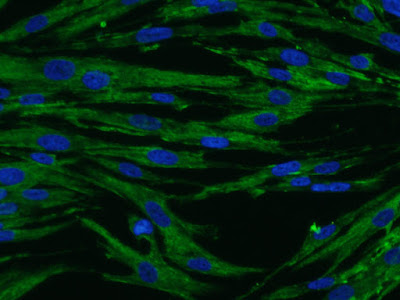
Recently a customer claimed our schwann cells were negative for GFAP and P0. Here're our testing results.

For P0 (CH23009) we used green fluorescence +DAPI.
For GFAP (RA22101) we used red fluorescence + DAPI (blue) counterstain
We take these challenges for seriously and will always test the same lot of cells internally to make sure they are "walking and talking" as advertised.

Thursday, March 26, 2020

We have Corona Virus Transport Media

We have Corona Virus Transport Media! We are pleased to announce we now have media designed to move COVID-19 testing samples from point A to B. It's pricing is in line with all the many media we currently provide. If you know of any hospitals, clinics or testing facilities that would benefit we all are ears-https://www.neuromics.com/VTM #covid19 #coronavirus

Tuesday, March 17, 2020

We Are Open

Providing Cells, Media and Supplements in the time of Covid-19
If you call us, we will answer the phone. If you submit an order, it will ship.

Neuromics stands ready to serve you.
Image: Neuromic's Human Pancreatic CAF-Stellate Cells in Culture
FBS only $299/500 ml. We have plenty of inventory so we can continue with this pricing for the duration of the Pandemic.
Stay safe.

Monday, February 24, 2020

Save Hundreds on Tet Free FBS

For Healthy and Happy Cultures
Check it out. Only $299/500 ml.
USDA Origin FBS.

Single use automated processing system from filtering to labeling.

Questions? Contact me directly @ pshuster@neuromics.com.
Pete Shuster-CEO and Owner


Monday, February 10, 2020

Customer Data Wanted

Reward is a $25 Amazon Gift Card
We are always honored when you share your data with us! To learn more check out the video.

We make it easy to share. Just email your data to rose@neuromics.com. We will email you the gift card.


Wednesday, February 05, 2020

Our New USDA FBS is Tet Free

Compare and Save!
In researching Neuromics' Competitors pricing on Tetracycline Free FBS, I noticed pricing ranging from $650-1,000+. Check us out. Only $299/500 ml. bottle.
500 mL
$299.00


Here's our COA.

To learn more simply email rose@neuromics.com.

Friday, January 17, 2020

Fetal Bovine Serum-More Data

Primary and Stem Cell Culture
This just came across our radar.
"SUPPLEMENTARY MATERIAL An eye opener in stroke: Mitochondrial dysfunction and stem cell repair in MCAO induced retinal ischemia"

We are always delighted when researchers supplement their cell culture media with our Fetal Bovine Serum (FBS).
  • RPE Cells and MSC Culture Retinal pigmented epithelium (RPE, CRL-4000; ATCC) cells were cultured in Dulbecco’s Modified Eagle Media/F-12 (DMEM/F-12, 11320033; Gibco) containing 10% fetal bovine serum (FBS; FBS001; Neuromics) and 0.01 mg/ml hygromycin B (10687010; Gibco) in incubator (37°C humidified, with 5% CO2, 95% air). 
  • MSCs were maintained with α-MEM (12561056; Gibco) supplemented with 20% FBS (FBS001; Neuromics), 1% penicillin/streptomycin (15140122; Gibco), 1% non-essential amino acids (11140050; Gibco), 1% GlutaMax-I (35050061; Gibco) in incubator (37°C humidified, with 5% CO2, 95% air).
MSCs’ mitochondria were detected in RPE cells after OGD. MSCs’ mitochondria were separately stained with Mitotracker prior to co-culture with RPE cells. Confocal images of RPE cells with DAPI (blue), β-tubulin (red), and MSCs’ mitochondria stained with Mitotracker (green). MSCs’ mitochondria were detected within the boundaries of RPE cells. Scale bar 10 µm.

We are offering our USDA Origin FBS for $299/500 ml. through the end of January.

Saturday, January 11, 2020

Human Cancer Associated Fibroblasts

Customer Generated Data
Our Cancer Associated Fibroblasts (CAFs) are widely used and frequently published.

We always welcome customer data. We are especially pleased when the data confirms our cells are "walking and talking" as advertised. Here's a recent example, "Biomarkers expression by flow and confocal microscopy using your CAFs. As flow cytometry indicated, >92% cells were live and we showed expected signals (Cy3) from the live cells. Nuclear dye is Hoechst showed as blue." Courtesy of Jiehua Zhou, City of Hope.
We offer a wide range of human primary cells. Check them out today.

Tuesday, January 07, 2020

Neuromics Teams with Biowest USA

Pure and Potent Chicken Serum
We have a new partnership with the source for much of the Animal Sera provided worldwide today. They are recognized as being one of the best of the best.

I am proud to announce the addition of their Chicken Serum. Their processing is both ISO and GMP certified. Better yet, we have an introductory pricing of $299/500 ml. for the month of January.
Chicken Primordial Germ Cells Cultured in Media Supplemented with Neuromics/Biowest USA's Chicken Serum.

We will be greatly enhancing our Sera offerings in 2020. Stay tuned.

Monday, December 23, 2019

Neuromics Teams with Biowest USA

Quality tested for the most sensitive cells and applications

Great new serum products for 2020. Check out our intro video.
Happy Holidays.

Monday, December 16, 2019

Neuromics New FBS-329/500 ml.

Premium Ultra-pure FBS!
Check it out today

Ultrapure FBS is manufactured, by our OEM partner Biowest USA. in a fully integrated environment from raw material collection to finished product. Our production facility is fully certified to ISO 9000 and ISO 13485. Ultrapure means:

  • Lowest endotoxin level 0,1 EU/mL. 
  • Triple 0,1 μm Filtered. 
  • Free of Virus and Mycoplasma. 
  • Tested Ideal for Sensitive Cells and Applications. 

This FBS can be used to culture all cell types including macrophages, cancer and cancer related cells, hybridomas and more. It works great for all our human primary cells and stem cells.

Tuesday, December 03, 2019

Human Cells-utopia!

Great for use a controls vs Differentiated iPSCs

We have a cornucopia of Human Primary Neuron, Astrocytes and Schwann Cells plus CAFS. Featured Assays:
Human Brain Pericytes used to study Guide Axon Guidance.
Human Pancreatic CAFS and Tumor Dynamics.

Axon guidance at the site of a cervical spinal cord injury in a rat model. (Ai) Schematic illustrating transplantation of scaffold into a C-4 hemisection. The injury cavity is shown prior to (ii) and immediately following (iii) transplantation. (Bi) Scaffold conditioned with flow exhibits viable GFP-labeled microvessels (green) (ii) and alignment of host axons (magenta) infiltrating the scaffold in the rostral-caudal direction (grey arrow). (C) Scaffold conditioned in static conditions showing disrupted alignment of both microvessels (ii) and host axons (iii). (D–F) Microvessel and axon plots showing alignment (D,E) and length (F). Scale bars, 1 mm (Aii,Aiii) and 50 μm (B,C). Data are presented as mean ± s.e.m. ***P < 0.001; statistical significance was calculated using Welch Two Sample t-test. White arrows denote proximity of axons with microvessels. Microvessel alignment values (n = 30), axon alignment values (n = 30), microvessel length values (n = 15), and axon length values (n = 15) are from single hydrogel samples per condition.
Representative CAFs spheroids embedded in collagen gels at time 0 and at 6 h post implantation, respectively.
It is imperative that all our cells work as advertised. If your results do not meet expectations, we will run similar tests to make sure they walk and talk as they should.

We wish you and yours a Happy Holiday Season, Pete Shuster, CEO and Owner Direct phone: 612-801-1007 or pshuster@neuromics.com

Friday, November 22, 2019

Optimizing Human Microglia Cultures

Healthy and Happy Cells
Microglia, one of the glial cell types in the CNS, is an important integral component of neuroglia cell network. They act as brain macrophages when programmed cell death occurs during brain development or when the CNS is injured or pathologically damaged.

This makes them an important tool for drug discovery.

We have research proven Human Microglia.

Neuromic's Microglia Cultured in T25 Flask
Related Protocol:
  • Place the flask in a clean Biosafety cabinet. 
  • Remove the seal on the T-25 Flask. 
  • Remove about 15-20ml of media from the flask. Change the cap on the flask, make sure media is not touching the cap, close the cap. 
  •  Culture the cells in a 37oC incubator with 5%CO2. 
  • For best result, do not disturb the culture Flask for at least 72 hours after receiving the T-25 flask the culture has been in. Change the growth medium the next day.
Need Primary Human Cells? Just ask me. pshuster@neuromics.com.

Tuesday, November 12, 2019

Human Brain Microvascular Endothelial Cells and BBB

Fc-saxatilin used to Modulate Blood-Brain Barrier (BBB)
Highlights
•Fc-saxatilin prevents VEGF-induced permeability in Neuromics' human brain microvascular cells (HBMECs).
 •Fc-saxatilin inhibits VEGF-induced Src and Fak phosphorylation in HBMECs.
 •Fc-saxatilin blocks the downregulation of claudin-5 expression by VEGF in HBMECS.

Hyun-Jung Choi, Na-Eun Kim, Il Kwon, Dukhwan Choi, Jayoung Kim, Ji Hoe Heo. (2019). Fc-saxatilin inhibits VEGF-induced permeability by regulating claudin-5 expression in human brain microvascular endothelial cells. Microvascular Research. DOI: https://doi.org/10.1016/j.mvr.2019.103953

Figure: Fc–saxatilin attenuates the phosphorylation of Fak induced by VEGF. A) HBMECs were treated with pretreated with vehicle (PBS, 0) or Fc-saxatilin (50, 100, or 300 ng/ml) in the basal medium (0.5% FBS) for 10 min and treated with VEGF (100 ng/ml) for 1 h. Control cells were incubated in the control medium without Fc-saxatilin and VEGF. Cell lysates were subjected to an immunoblot analysis with antibodies against either phospho-Fak, Fak, or actin, as indicated. Representative data from three separate experiments are shown. B) Bands in the immunoblots were quantified using ImageJ and normalized to actin (n = 3); *P < 0.05 compared to the vehicle only-treated control or VEGF-treated control.

These cells are also used to formulate our 3-D Blood-Brain Barrier Model.

Friday, October 25, 2019

FBS-We're Back

Building Inventory
The supply of Fetal Bovine Serum continues to tighten. We are now on the brighter side of this after obtaining a healthy supply.

The good news is we are able to hold our pricing at $379/500 ml.
Our clients are finding it works for many different types of cells. Check out data.  We are confident you will be delighted with results.

Tuesday, October 15, 2019

Taste and AgRP

How Hunger Impacts Taste

Nature Communications just released a publication featuring use of our Agouti-Related Protein (AgRP) Antibody.

It examines the neuronal mechanisms regulating hunger-induced taste modification. Starved mice exhibit an increased preference for sweetness and tolerance for aversive taste. This hunger-induced taste modification is recapitulated by selective activation of orexigenic Agouti-related peptide (AgRP)-expressing neurons in the hypothalamus projecting to the lateral hypothalamus.
Ou Fu, Yuu Iwai, Masataka Narukawa, Ayako W. Ishikawa, Kentaro K. Ishii, Ken Murata, Yumiko Yoshimura, Kazushige Touhara, Takumi Misaka, Yasuhiko Minokoshi & Ken-ichiro Nakajima (2019). Hypothalamic neuronal circuits regulating hunger-induced taste modification. Nature Communications volume 10, Article number: 4560 https://doi.org/10.1038/s41467-019-12478-x

Chemogenetic activation of AgRP neurons induces changes in taste preference. a Schematic image of the brief access taste test. The number of licks is measured during 10 s from the first lick. b, c Sweet (b) or bitter (c) taste preferences in fed or fasted mice. Sucrose or denatonium–sucrose solutions were presented to fed or 23-h-fasted C57BL/6J WT mice. n = 6, F = 17.81, and P = 9.4 × 10–5 in b and n = 6, F = 4.14, and P = 0.045 in c, two-way ANOVA with Bonferroni post hoc test. d Bilateral injection of AAV encoding Cre-dependent hM3Dq-mCherry or hM4Di-mCherry into the arcuate nucleus (ARC) of AgRP-ires-Cre mouse. e Representative image showing hM3Dq-mCherry-expressing AgRP neurons (left) in the AgRP-hM3Dq mouse and hM4Di-mCherry-expressing AgRP neurons (right) in the AgRP-hM4Di mouse. f Chemogenetic activation of AgRP neurons led to acute food intake in AgRP-hM3Dq mice during the light period. n = 6, paired Student’s t test. g, h Brief access taste tests for sweet (g) or bitter (h) measured in AgRP-hM3Dq mice treated with saline or CNO (1.0 mg/kg i.p.) during the light cycle. n = 6, F = 8.783, and P = 0.0045 in g and n = 6, F = 7.929, and P = 0.0064 in h, two-way ANOVA with Bonferroni post hoc test. i Chemogenetic inhibition of AgRP neurons led to a reduction of food intake in AgRP-hM4Di mice during the dark cycle. n = 7, paired Student’s t test. j, k Brief access taste tests for sweet (j) or bitter (k) measured in AgRP-hM4Di mice treated with saline or CNO (1.0 mg/kg i.p.) during the dark cycle. n = 7, F = 4.748, and P = 0.032 in j and n = 7, F = 4.761, and P = 0.032 in k, two-way ANOVA with Bonferroni post hoc test. The experiments were carried out with 8- to 16-week-old male mice.
We have an extensive catalog of Neuronal Receptor Antibodies. Check the out today

Wednesday, October 02, 2019

Primary Human Cells Data

Internal Testing

We are data hounds. This is especially true when customers generate results that conflict with ours. For example, if our Human Primary Cells, in the hands of our customers, stain negative for key markers, we always retest using a 3rd Party Lab. Here're recent results for our Human Schwann Cells.
Neuromics' Schwann Cells stained with O1 Antibody (red) and DAPI (blue). 

Neuromics' Schwann Cells stained with s100 antibody (red) and DAPI (blue).
It is imperative that all our cells work as advertised. If your results do not meet expectations, we will run similar tests to make sure they walk and talk as they should.

Monday, September 16, 2019

High Fat and Diet Induced Obesity

i-FectTM Delivers Again!

Research shows that rats and humans on a high-fat diet (HFD) are less sensitive to satiety signals known to act via vagal afferent pathways. Impaired vagal afferent responsiveness to both gastric satiety hormones (CCK and leptin) and mechanical stimulation raises the possibility that changes in electrophysiological properties may be the underlying mechanism responsible for impaired vagal responsiveness to a wide variety of satiety signals.

Potassium channels play a central role. To demonstrate this researchers used our i-Fect siRNA Transfection Kit to silence TRESK and TASK1 to understand there impact on HFD on vagal responsiveness. Gintautas Grabauskas, Xiaoyin Wu, ShiYi Zhou, JiYao Li, Jun Gao, and Chung Owyang. (2019). High-fat diet–induced vagal afferent dysfunction via upregulation of 2-pore domain potassium TRESK channel. JCI Insight. https://doi.org/10.1172/jci.insight.130402.

Images: (A) Representative recordings of NG neuron responses to intra–superior pancreaticoduodenal artery infusions of CCK-8 (60 pmol/kg) and leptin (60 pmol/kg) in LFD-fed or HFD-fed rats and transfected with control siRNA or TRESK siRNA. Note that CCK-8 generated significantly fewer action potentials in HFD-fed rats compared with those fed an LFD. (B) Summary histograms showing single-unit discharges in response to CCK-8 in rats given an LFD and transfected with control siRNA (n = 11) or TRESK siRNA (n = 6), HFD + control siRNA (n = 12), and HFD treated with TRESK siRNA (n = 10). Data are represented as mean ± SEM. One-way ANOVA with Bonferroni’s test, *P < 0.05 vs. LFD + control siRNA; #P < 0.05 vs. HFD + control siRNA. (C) Summary histogram showing single-unit discharges in response to leptin in rats given an LFD and transfected with control siRNA (n = 11) and TRESK siRNA (n = 5), HFD (n = 12), and HFD treated with TRESK siRNA (n = 10). Data are represented as mean ± SEM. One-way ANOVA with Bonferroni’s test, *P less than 0.05 vs. LFD + control siRNA; #P less than 0.05 vs. HFD + control siRNA. (D) Summary histogram showing CCK-AR and ObR expression in vagal sensory ganglia from LFD- and HFD-fed rats were not significantly different. HPRT was used as a loading control. Data are represented as mean ± SEM. CCK-8, cholecystokinin-8.

Following 2 weeks of high-fat feeding, there was a significant upregulation of TRESK and a modest increase in TASK1 channels in the NG. Silencing studies indicate that the upregulation by TRESK channels is mainly responsible for a global decrease in excitability of vagal sensory neurons, which in turn dampens the response to satiety signals, such as CCK and leptin. 

This make TRESK a potential therapeutic target for treating Obesity.


Saturday, September 07, 2019

Potent FBS-Only $289/500 ml.

Hurry!
We our a bit over stocked in FBS. In order to fix, we are offering it for $289/500 ml. This offer is only good through September 15, 2019 so you will need to hurry.

Primary mouse vascular smooth muscle cells stained with smooth muscle alpha actin in DMEM with Neuromics 10% FBS. Data courtesy of Deng-Fu Guo, University of Iowa.

Note: We test each lot of FBS on our primary human cell cultures enabling us to choose lots yielding the best results...Testimonial: "We have used the FBS from Neuromics in feeding media for primary mouse astrocytes as well as for some cell lines. Your product is good and we plan to continue using it.” - Svetlana Vidensky, MS, Senior Research Specialist in Dr. Jeffrey Rothstein lab, Department of Neurology, Johns Hopkins University. Questions?  Contact Rose at rose@neuromics.com or 952-374-6161